
Microneedling has become the viral skincare treatment taking TikTok by storm. The procedure, which promises everything from smoother skin texture and fewer acne scars to softened wrinkles, firmer skin, and less noticeable pores, requires a very specific aftercare routine to deliver the best results.
Plus, results aren't immediate. According to NakedMD’s Chief Medical Officer, Dr. Daniel Gardner, MD, MS, recovery requires patience. "Skin takes 30 days to completely turn over. That's the bottom of the dermis to the top," Gardner told E!.
"So it takes generally two to three skin cycles before you get a completely new skin barrier." In other words, your skin isn't bouncing back overnight.
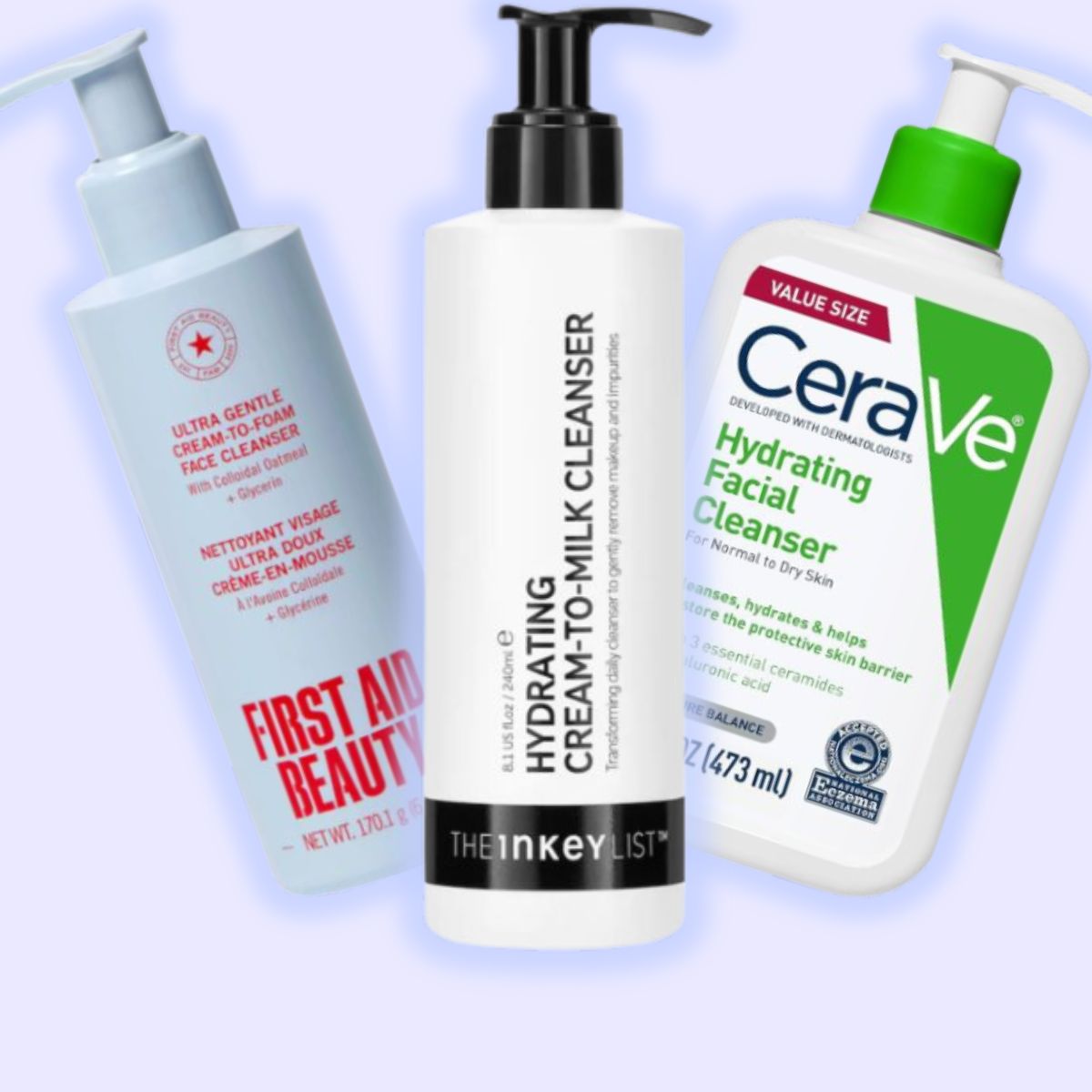
During the healing process, harsh cleansers, exfoliants, and active ingredients can do more harm than good. To help you navigate post-treatment skincare, we asked Dr. Gardner about the ideal routine after microneedling and rounded up the best face washes to use in the days following your procedure to achieve flawless results.
Microneedling works by creating tiny channels in the skin, stimulating collagen production and accelerating cell turnover. While the treatment can help improve texture, tone, and overall radiance, some redness is expected immediately afterward, especially if you have sensitive or reactive skin.
"My ideal goal is pinpoint bleeding, uniform," Gardner explained. "I want you looking a bit like that cherry tomato when you leave."
That temporary redness is part of the process, but it also means your skin needs extra care in the days that follow!
One of the biggest mistakes people make after microneedling is returning to their regular skincare routine too quickly. Since your skin is actively healing, it’s more sensitive than usual and can be easily irritated by strong actives like exfoliating acids, retinoids, oils, and fragranced products.
If you’ve had microneedling with PRP or PRF, some providers also recommend not washing your face for up to 24 hours so the growth factors and topicals placed on the skin have more time to absorb and work effectively—always follow your provider’s specific aftercare instructions.
“It’s really important that you talk to your provider about retinols because I think people don’t really understand what retinols actually do to their skin,” Gardner shared. “They essentially speed up the process that the skin sheds and flakes off. So if you’re using a vitamin A product like that on compromised skin, you’re going to have a reaction.”
The same caution applies to many cleansers that contain exfoliating acids, scrubs, or strong fragrances. Instead, experts typically recommend sticking with mild, non-stripping formulas that cleanse without disrupting the healing process.
It’s also best to avoid oil-based cleansers during the first several days after microneedling. Because the skin is in a highly absorbent, temporarily compromised barrier state, heavier or oil-based products may trap debris or introduce irritants while the skin is still repairing.
Overall, it’s usually best to stick with ultra-gentle, water-based products so the skin can calm down and heal without unnecessary stress or disruption!
The goal isn't to deep-clean or exfoliate, it's to support the healing process while your skin barrier rebuilds itself. As Gardner put it, recovery is all about giving your skin time to do what it does best: heal.
This fragrance-free cleanser is designed to effectively remove makeup, dirt, and grime, leaving skin soft and supple. If you've recently had microneedling done, this is an ultra-gentle option that won't irritate skin or interrupt the healing process.
This Cetaphil cleanser is designed to help reinforce the skin barrier by balancing skin, removing dirt, excess oils, impurities and pollution microparticles.
This cream-to-milk cleanser is designed to gently remove makeup and impurities, providing up to 24-hour hydration and 12-hour barrier support, without leaving skin feeling tight or dry.
This facial cleanser is designed to remove face makeup, dirt, and excess oil, and provide up to 24-hour hydration.
A gentle, low-foam cleanser safe for sensitive skin that easily removes makeup, mineral SPF, oils, and dirt, without burning eyes or leaving skin feeling tight.
While a gentle cleanser can help support recovery, Gardner said the most important step is protecting your skin from UV exposure.
"I think people underestimate how long it actually takes for skin to heal and how long you need to be out of the sun," he said. "If that was the one thing I would say, it's that you can heal anything and make anything uniform as long as you stay out of the sun during the healing process."
NakedMD professionals recommend staying out of the sun for as long as you can, and not applying sunscreen to your face for the first 24 hours. When you do apply sunscreen, opt for something that provides good coverage, and wear a hat if you can!
For patients with deeper or more olive skin tones, he recommends pairing gentle skincare with diligent sun protection. "That's going to be your patient who's going to benefit from a gentle moisturizer, super-aggressive sun precautions, ideally with a zinc-based barrier sunscreen," Gardner explained.
This zinc sunscreen is soothing, free of chemical sunscreen filters, dyes, fragrances, oils and preservatives, and one of the best ways to protect your skin post microneedling.
This celebrity-loved SPF is a lightweight, zinc oxide–based sunscreen that is particularly well suited for acne- and rosacea-prone skin, with a tinted option that helps minimize white cast while calming and protecting sensitive skin.
This silky sunscreen quickly absorbs into the skin and feels like a lightweight moisturizer. It's formulated with UVA and UVB blocking zinc oxide, moisturizing vitamin E, and DNA repairsomes to reverse sun damage.
With its 5.11-inch-wide brim, this bucket hat provides a ton of shade and blocks harmful UV up to 90%. Choose from a few colors.
Looking for more TikTok-loved skincare? See The Best Hypochlorous Acid Sprays to Treat Acne and Sensitive Skin for Summer
The E! Insider Shop editors and writers search the internet to find the best products out there. We interview expert sources, comb through customer reviews, and use our own personal experiences to make shopping easier for our readers.
As an editorial team, we independently create content and determine coverage based on research, reporting and what we think our readers would like to read about. The goal of our content is to provide a service and inform readers who are on the hunt for the latest products to help make their life better. Items are sold by retailer, not E!. Pricing and availability are accurate as of publish time.